Vitamins are essential micronutrients that play a crucial role in maintaining human health and well-being. They are needed in small amounts and must be obtained through the diet or supplements as the body cannot synthesize most of them. Here is a brief overview of the different vitamins and their functions in the human body.
1- Vitamin A: Also known as retinol, vitamin A plays a vital role in maintaining good vision, a healthy immune system, and skin health. It also helps regulate gene expression, cell division and differentiation, and plays a role in reproductive health. Foods rich in vitamin A include liver, eggs, dairy products, carrots, and spinach.
2- Vitamin B1 (Thiamin): Thiamin is important for the metabolism of carbohydrates, and helps to maintain a healthy nervous system. It is also involved in the production of ATP (adenosine triphosphate), which is the body’s main source of energy. Good sources of thiamin include pork, whole grain bread, fortified cereals, and legumes.
3- Vitamin B2 (Riboflavin): Riboflavin is involved in energy metabolism and the production of red blood cells. It also helps to maintain good vision, healthy skin, and proper functioning of the nervous system. Foods high in riboflavin include dairy products, eggs, almonds, and dark green leafy vegetables.
4- Vitamin B3 (Niacin): Niacin is involved in energy metabolism, DNA synthesis, and maintaining healthy skin, nerves and digestion. It also helps to regulate cholesterol levels and can reduce the risk of cardiovascular disease. Foods rich in niacin include liver, peanuts, chicken, and fish.
5- Vitamin B6 (Pyridoxine): Pyridoxine is involved in the metabolism of proteins and amino acids, as well as the synthesis of neurotransmitters and hormones. It also helps to maintain a healthy immune system and promote red blood cell formation. Good sources of vitamin B6 include potatoes, poultry, fish, and bananas.
6- Vitamin B7 (Biotin): Biotin is involved in the metabolism of fats, carbohydrates, and amino acids. It also helps to maintain healthy skin, hair, and nails. Foods high in biotin include egg yolks, almonds, and Swiss chard.
7- Vitamin B9 (Folate): Folate is essential for the synthesis of DNA, the formation of red blood cells, and the proper functioning of the nervous system. It is also important for proper fetal development during pregnancy. Good sources of folate include dark green leafy vegetables, legumes, citrus fruits, and fortified cereals.
8- Vitamin B12 (Cobalamin): Vitamin B12 is involved in the metabolism of every cell in the body, as well as the synthesis of DNA and red blood cells. It is also involved in maintaining a healthy nervous system and in the prevention of megaloblastic anemia. Good sources of vitamin B12 include meat, poultry, fish, dairy products, and fortified breakfast cereals.
9- Vitamin C (Ascorbic Acid): Vitamin C is an antioxidant that helps to protect cells from damage caused by free radicals. It is also involved in the production of collagen, which is important for healthy skin, bones, and blood vessels. Vitamin C also helps to maintain a healthy immune system and can improve the absorption of iron from plant-based foods. Good sources of vitamin C include citrus fruits, strawberries, kiwi, bell peppers, and broccoli.
10- Vitamin D: Vitamin D is involved in the regulation of calcium and phosphorus in the body, which is important for strong bones and teeth. It also helps to maintain a healthy immune system and is involved in cell growth and differentiation. The body can synthesize vitamin D when the skin is exposed to sunlight, but it can also be obtained from foods such as fatty fish, eggs, and fortified dairy products.
11- Vitamin E: Vitamin E is a powerful antioxidant that helps to protect cells from damage caused by free radicals. It also helps to maintain healthy skin, eyes, and a strong immune system. Good sources of vitamin E include almonds, sunflower seeds, spinach, and avocado.
12- Vitamin K: Vitamin K is involved in blood clotting and the maintenance of healthy bones. It also plays a role in the regulation of gene expression and in the prevention of arterial calcification. Good sources of vitamin K include leafy green vegetables, liver, and dairy products.
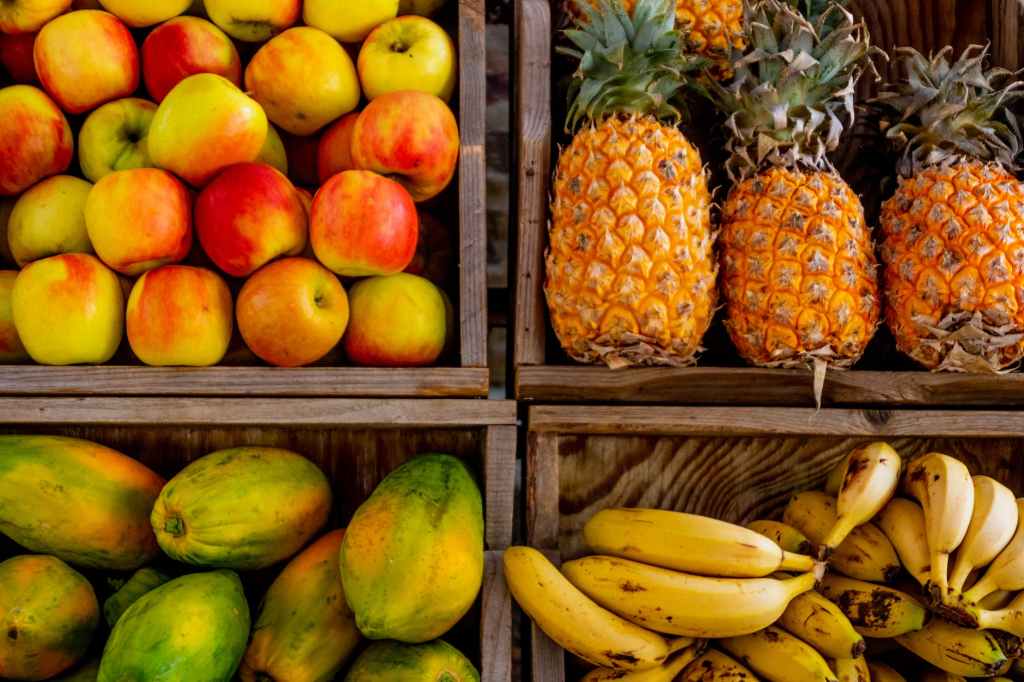
In conclusion, vitamins are essential micronutrients that play a critical role in maintaining good health and well-being. A balanced diet that includes a variety of fruits, vegetables, whole grains, and lean proteins can provide the necessary vitamins and minerals to meet the body’s needs. However, some individuals may require supplements to ensure they are getting enough of certain vitamins, especially in the case of specific health conditions or life stages such as pregnancy or old age. Consultation with a doctor or a registered dietitian can help determine if a supplement is necessary and what the appropriate dose should be.
 HealthyFits: Your Journey to a Healthier Lifestyle.